
Health Center Hoenderdaal
From a complex problem to a practical, achievable solution with COMCAM
On this page
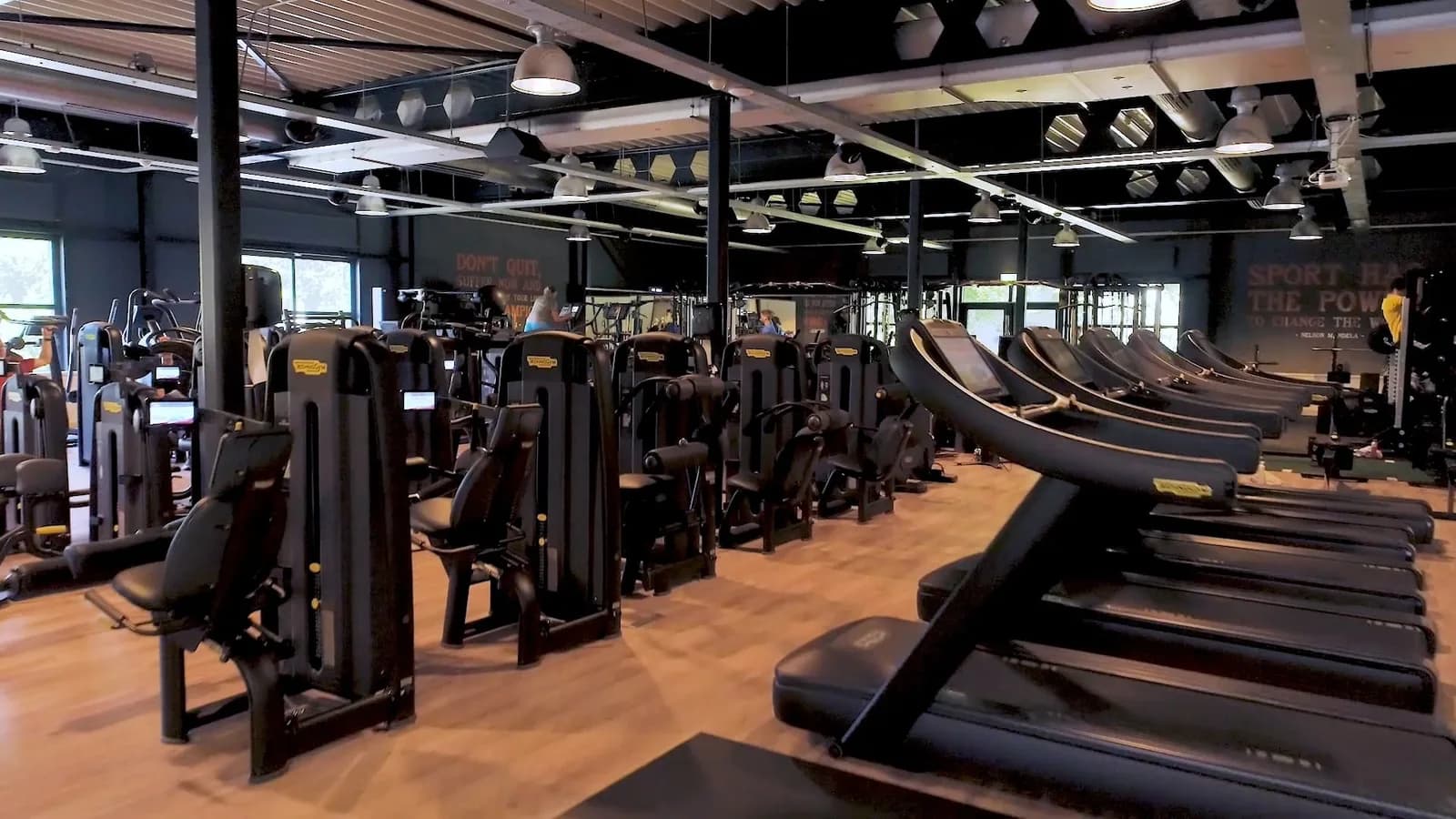
Health Center Hoenderdaal, a large sports complex in Driebergen featuring tennis courts, padel courts, a fitness center, and dining facilities, faced an important decision regarding its energy consumption and potential savings. With a significant number of solar panels and a high energy bill, purchasing a battery seemed like a logical step. Yet doubts remained. Hoenderdaal decided to seek a second opinion, not from a supplier, but from an independent party: COMCAM. And that paid off. “If you take a wrong turn early on in a project like this, you end up spending a lot more money.”
With more than 4,000 users and extensive indoor and outdoor facilities, Health Center Hoenderdaal faced a major decision regarding energy. “Energy is a major expense for us. Everything needs to be heated or lit, so we go through quite a bit of electricity and gas,” explains financial director Marcel Sleutjes.
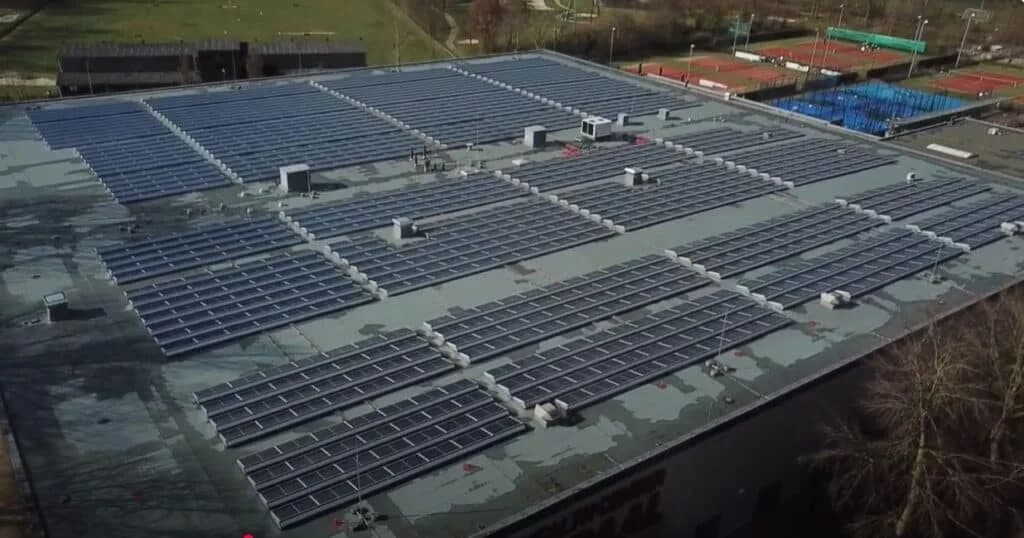
With 1,600 solar panels on the roof, Hoenderdaal had already taken a major step toward sustainability. Yet the feeling remained that more was possible. “We saw that we generate a lot of energy during the day, but that it feeds back into the grid, while we actually consume a lot in the evening. That makes you wonder: can we organize this more intelligently?”
A crucial step was missing
The initial idea was clear: a battery. “We actually jumped to conclusions,” Marcel admits honestly. “We spoke with a battery supplier who said: a battery is the solution. That made sense, so we immediately requested a quotation and even applied for a subsidy. In retrospect, it turned out they just wanted to sell their own product.”
The Flex-e subsidy program from the Netherlands Enterprise Agency (RVO) offered an attractive financial incentive: up to a 35% subsidy on the investment in a battery under the Flex-e round in force at the time (percentages and conditions differ per round). Especially for investments that quickly run into the hundreds of thousands, that makes a big difference. But that application was rejected. The reason: a missing or modified ATO (connection and transmission agreement). Such an agreement specifies how much electricity you are allowed to purchase and feed back into the grid. That is crucial, because it directly determines whether and how you can use a battery at all. “That was quite an eye-opener. That’s when we really started to ask ourselves: are we approaching this holistically enough? What problem are we actually trying to solve?”
“We already felt that we shouldn’t try to solve these kinds of issues on our own anymore. There’s just so much involved. That’s when you need a partner who can take an independent look at things with you.”

Back to basics: understanding before investing
That was the moment Hoenderdaal decided to do things differently. Not invest right away, but understand first. COMCAM came into the picture through an existing partnership regarding energy contracts.
Instead of proceeding immediately with a new application, it was mutually agreed to take a step back. Insight first. Only then invest. Using a Flex-e scan, Hoenderdaal’s entire energy profile was mapped out, even down to the hourly level. For the first time, this provided real insight into:
- when energy is consumed
- when it is generated
- where the peaks and troughs are
- and where energy “leaks away” or, conversely, where opportunities lie
What did we find? In the summer, there is a structural overproduction of solar energy, while in the winter, and especially in the evening hours, consumption is at its highest. In addition, a large portion of gas consumption goes toward hot water and heating.
Key insight: multiple options available
Although a battery was still an option, the analysis showed that this isn’t necessarily the best first step. “Suppliers are quick to push you in a certain direction,” says Marcel. “But in retrospect, it turns out that such a solution is sometimes built on shaky ground.”
COMCAM’s research identified several measures. “We were presented with six options, each accompanied by an analysis of costs, benefits, drawbacks, and feasibility. That helps tremendously in having a productive internal discussion.” In this case, the greatest benefit lies not in storage, but in the smart electrification of heat. “Think of storing energy in the form of hot water, which we use later for showers. But also shifting heat demand to sunny hours and optimizing existing systems. Those kinds of things have a greater impact in our case.”

Data-driven decisions
While the initial focus was on finding a concrete solution, a completely different starting point emerged over time. The focus shifted to gaining insight into actual energy consumption, exploring future possibilities, and making data-driven decisions based on facts rather than assumptions.
In addition, another benefit became apparent: the Flex-e scan itself was eligible for a subsidy that, in that round, covered 50% of the costs. This made the transition to thorough research much more accessible and lowered the barrier to carefully undertaking the process.
From Insight to a Feasibility Study
Whereas Hoenderdaal initially went straight for a solution, there is now a clear phased approach. First, gain insight with a Flex-e scan, then conduct a cost analysis in the form of a feasibility study, and only then invest. “That order is truly crucial,” Marcel emphasizes. “If you take a wrong turn somewhere at the beginning, you’ll end up spending a lot more money.”
Based on the scan, the next step is now being considered: a feasibility study. In this phase, a concrete calculation is made to determine which solutions best align with Hoenderdaal’s ambitions, what the required investment is, what the payback period looks like, and what role subsidies play in that. This will involve examining scenarios such as (hybrid) heat pumps, smart hot water production, and possibly a battery, but this time with a solid foundation and tailored to the actual situation.
“It’s not just about money for us. We also want to see if we can help reduce grid congestion. If we put less strain on the grid, that benefits not only us but also the grid operator. At the same time, we want to reduce our own dependence and vulnerability. Currently, we feed a lot of power back into the grid during the day and draw a lot from it in the evenings and during the winter. If you organize that more intelligently and become more self-sufficient, you’ll simply be better off.”
The Role of Independent Advice
According to Marcel, COMCAM’s strength lies in its combination of technical expertise and market insight. “The duo guiding us is a pleasure to work with. One has extensive technical knowledge of grid management and systems, while the other has a broad view of the market. That’s exactly the combination you need.”
He believes COMCAM’s independence is essential. “Suppliers always steer you toward their own solution, but that isn’t always in your best interest. There are so many options and so many rules, subsidies, and agreements with grid operators; it’s almost impossible to keep track of it all yourself.” Continuity also plays a role. “All data and insights are now with a single party. Our energy profile is fully mapped out. That means calculations are based on the correct data.”
A clear path to an informed investment
The result so far is that a risky grant application, which might have been resubmitted without the proper foundation, was prevented in time. Instead, there is now a complete understanding of energy consumption and the profile, which provides a much stronger starting point. Based on this, concrete starting points for sustainability have been identified, and there is a clear path toward a well-founded investment that also fits within the capacity of the electrical connection.
“As an entrepreneur, I would definitely recommend COMCAM,” Marcel concludes. “Especially if you’re dealing with these kinds of issues. They help you not only make decisions faster, but more importantly, make the right ones.”
Recognise this situation?
Every energy situation is different. Our specialists will tell you honestly what is achievable for your organisation. Without obligation.
Related cases
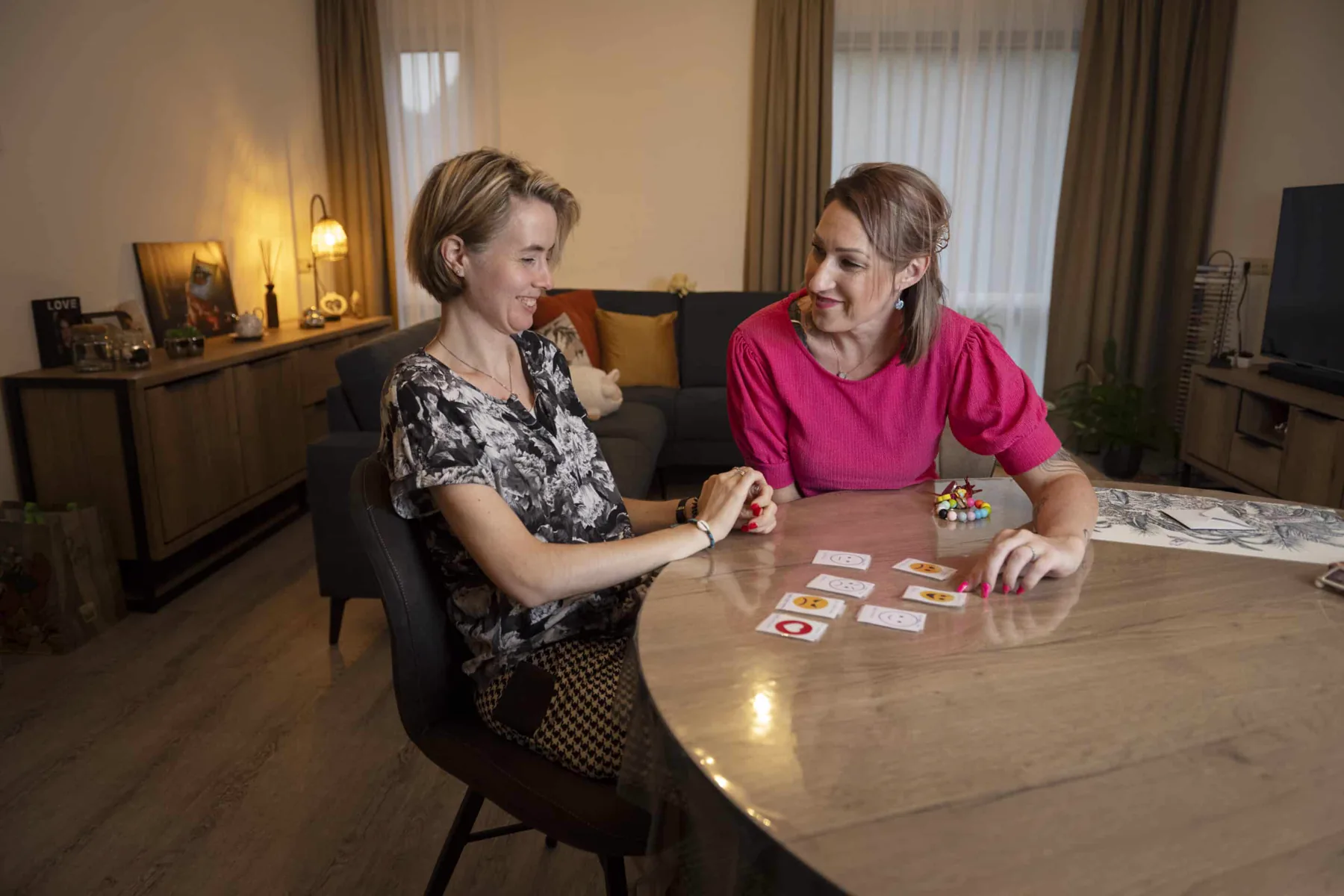
Care organization Amarant wants to become CO2-neutral
Amarant Care Organization is taking serious steps toward making its energy supply more sustainable.
Read case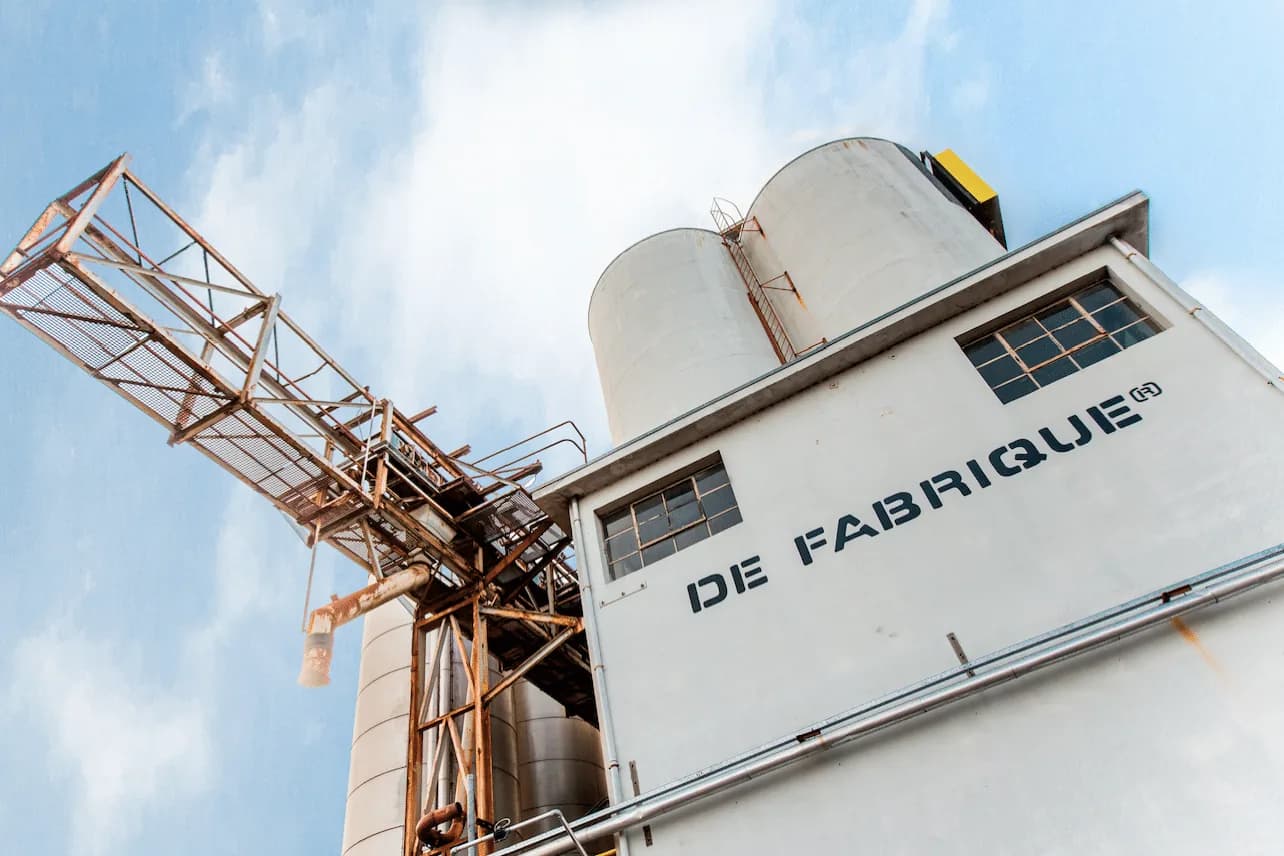
DeFabrique: Smart purchasing with the right timing
DeFabrique Holding has relied on COMCAM’s knowledge and experience for more than a decade.
Read caseLet's shape your energy future
Whether you're navigating market volatility, optimising your portfolio, or exploring sustainable solutions - we're here to help.
Read our whitepapers
In-depth publications on energy procurement, grid congestion and flexibility, written by our specialists. Free to download.
View whitepapersRead the latest market analysis
Power, gas, oil, coal, emissions and renewables, regularly analysed by our traders. The same intelligence our portfolio decisions are built on.
View market updates