
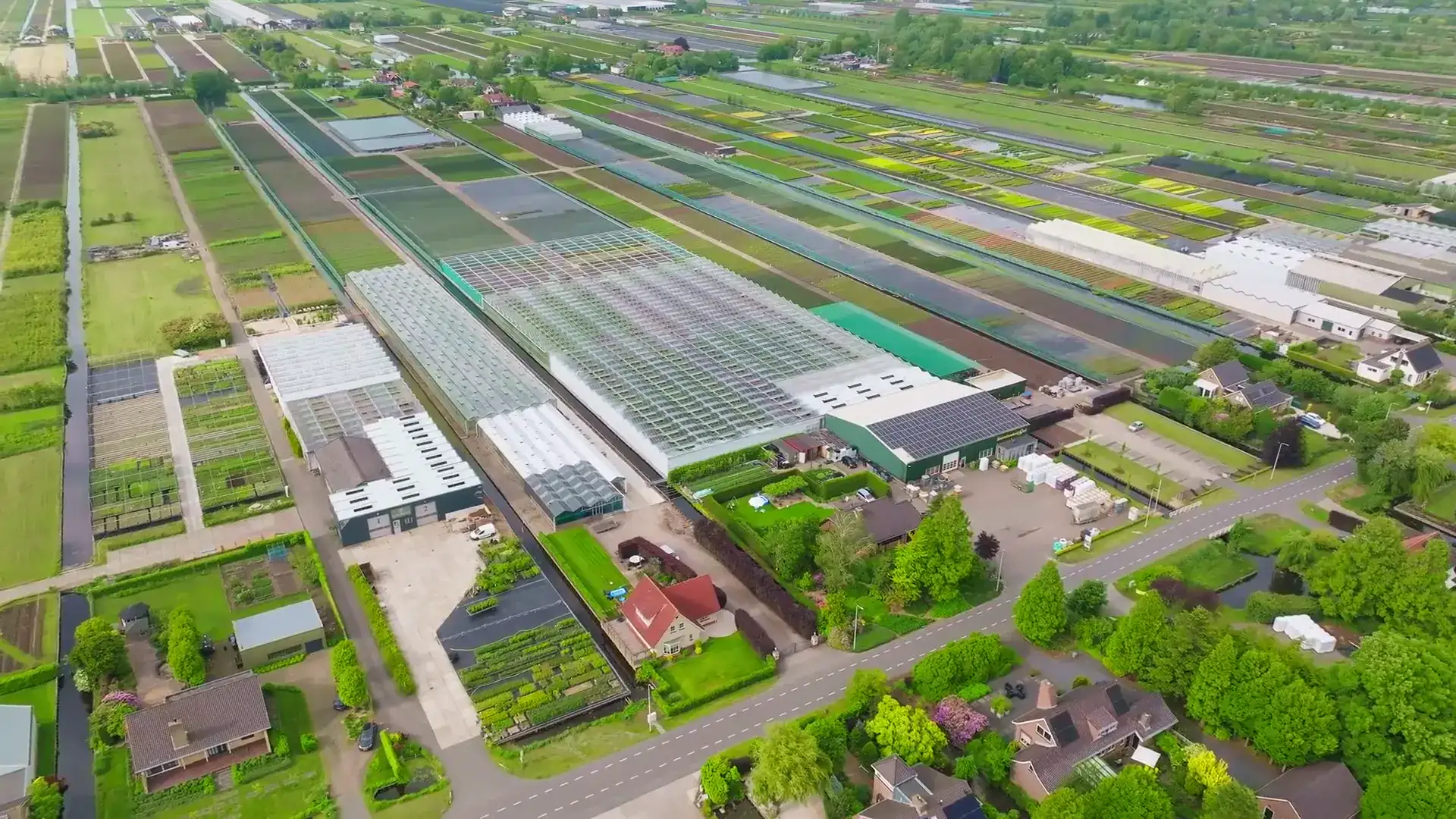
For greenhouse horticulture businesses that do not see energy as a side issue
Your greenhouse is not a standard business location. It is a production system, climate system and energy system at the same time. You manage temperature, light, humidity, CO2, heat, electricity, gas, screening, CHP, lighting, cultivation planning and market prices.
The question is not whether you are working on energy. The question is whether your current energy portfolio still holds now that legislation, taxation, grid capacity, heat, CO2 and contract structures are all shifting at once.
Everything is connected. So the strategy must be too
Gas, electricity, CHP, heat, CO2, lighting, grid capacity and flexibility together form one energy portfolio.
Gas
Electricity
CHP
Heat
CO2
Lighting
Grid capacity
Flexibility
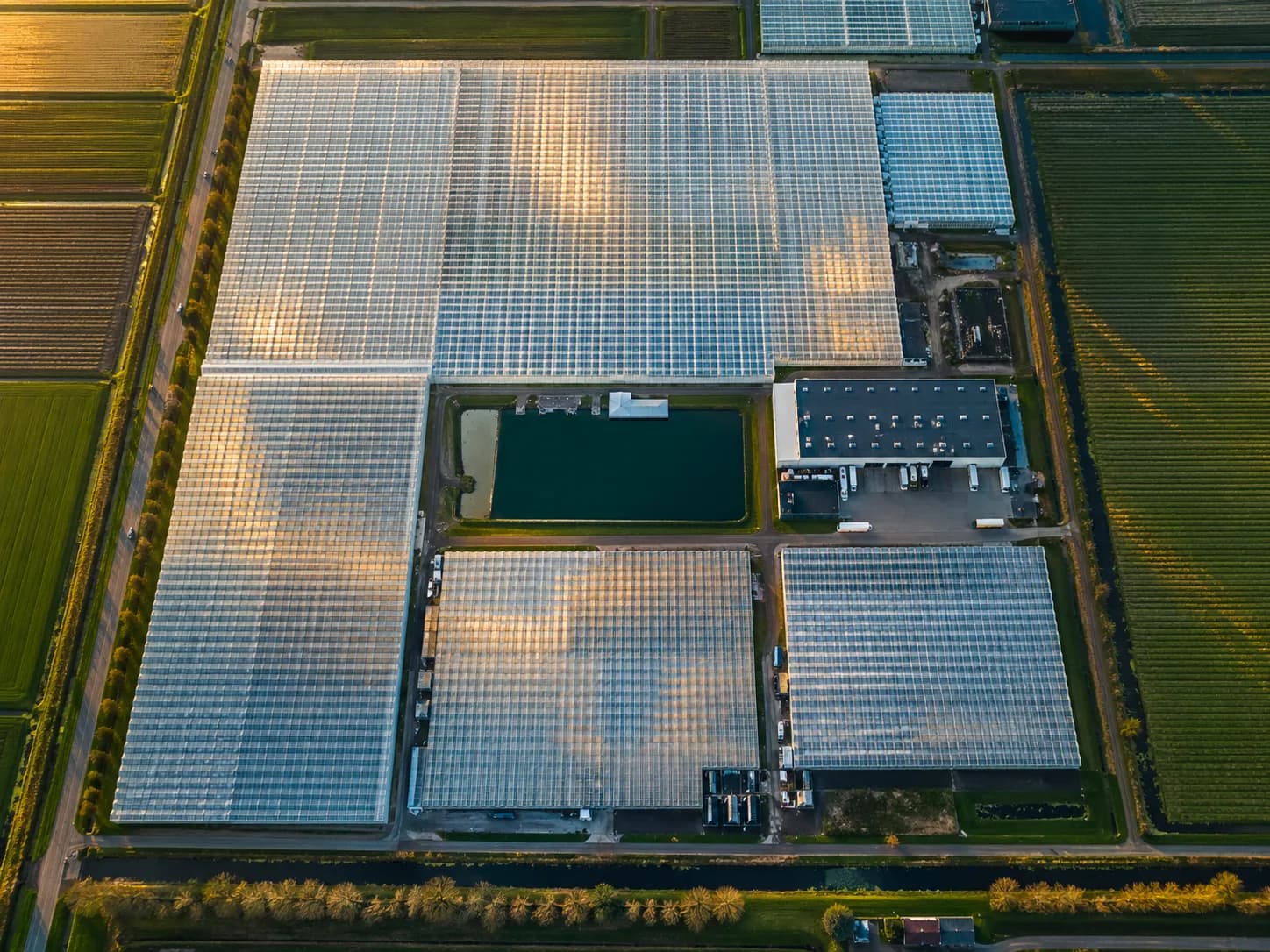
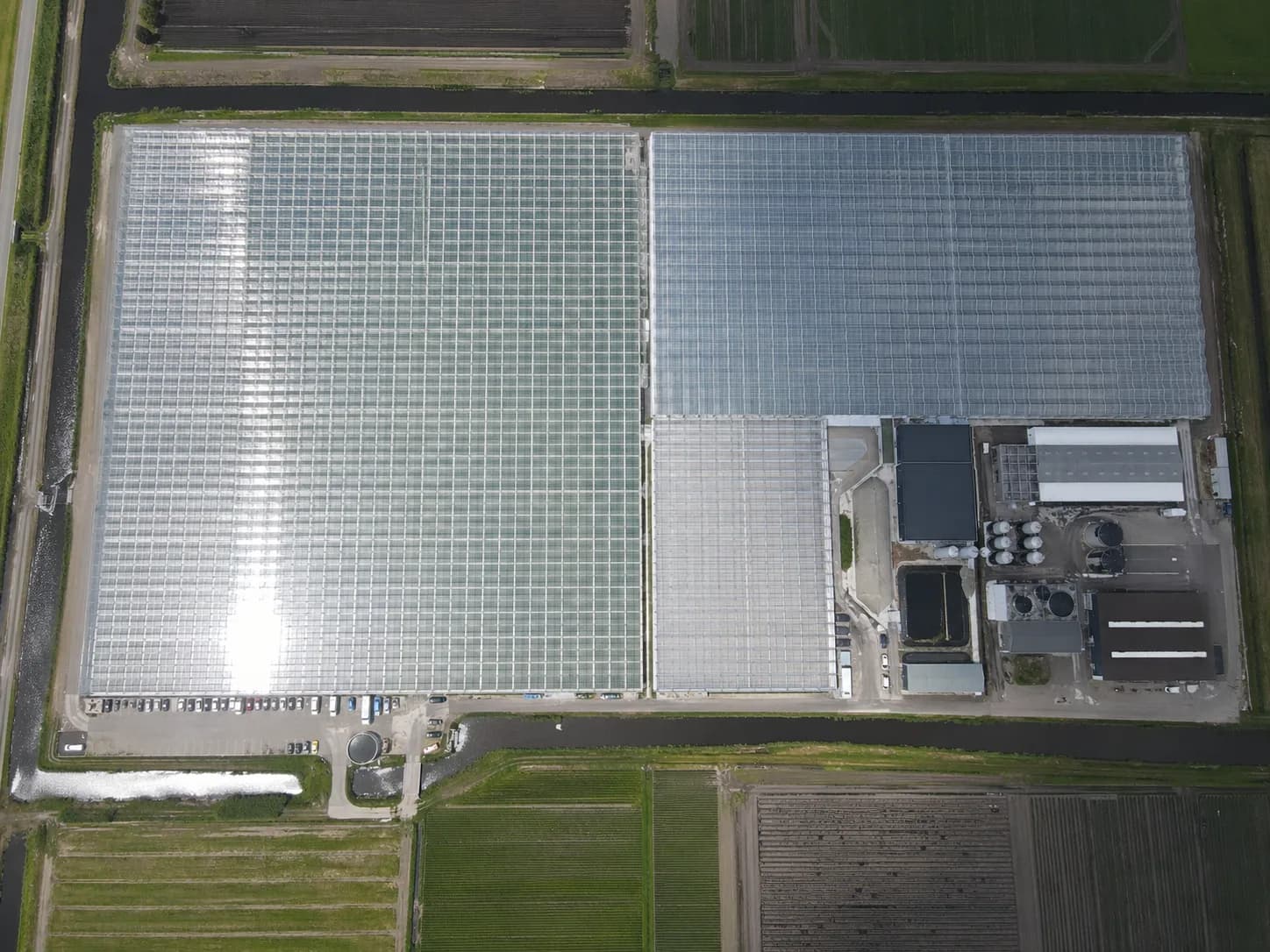
Greenhouse horticulture does not need a basic explanation. It needs sharper portfolio management
Many growers already manage gas prices, electricity prices, heat, lighting hours, imbalance risks, CHP running hours, spark spread, climate conditions and sales expectations daily. The challenge is now shifting to coherence: gas, electricity, heat, CO2, grid capacity, tax burden, emission costs, investment timing and contract structures.
Making complexity simpler is not the goal. Making it manageable is
Energy Portfolio Management manages the full energy portfolio of the greenhouse: gas, electricity, CHP, heat, CO2, lighting, grid capacity, flexibility, contracts, risk and investments.
- Gas
- What is your exposure to gas price, tax and CO2 costs?
- Electricity
- What do you procure, generate and feed in, and when?
- CHP
- When does running make sense from heat, electricity, CO2 and market value?
- Heat
- What role do boiler, CHP, geothermal, residual heat, e-boiler or buffer play?
- CO2
- How do you secure plant availability and how does cost price change?
- Lighting
- How do LED, screening, cultivation planning and electricity affect your profile?
- Grid capacity
- Where are constraints in offtake or feed-in?
- Flexibility
- Which processes or assets can respond to price or grid load?
- Contracts
- Which mix of fixed, click, spot, profile and flexibility fits?
- Investments
- Which asset adds value, and under which conditions?
We do not start with the asset. We start with your energy profile
CHP optimisation, LED, e-boilers, heat buffers, batteries, geothermal, residual heat, CO2 supply, energy management systems, flexibility and hybrid contracts can all be valuable. But not every good technology is automatically a good investment.
Reassess CHP
A CHP unit provides electricity, heat, CO2, flexibility and operational certainty. Its value changes with gas price, electricity price, spark spread, tax, CO2 levy, operating hours, maintenance, heat demand, grid capacity and feed-in options.
LED lighting as a portfolio choice
LED is not only kWh savings. It changes electricity demand, heat demand, CHP running hours, greenhouse balance, CO2 demand, peak demand, contract volume and flexibility.
Battery in the greenhouse
A battery can have value for peak shaving, CHP timing, imbalance, lighting peaks, grid congestion or backup operation. But the business case depends on contract, control, degradation and risk profile.
E-boiler or heat buffer
Electrification of heat must be assessed together with heat demand, existing CHP, boiler capacity, grid capacity, electricity contract, CO2 availability, gas price and flexibility value.
You are an energy portfolio
You are a gas consumer, electricity consumer, producer through CHP, heat manager, CO2 user, potential feed-in party, flexibility source, participant in heat or energy collectives and investor in behind-the-meter assets.
Instruments we combine
Price and timing
- fixed price components
- click strategy
- phased procurement
- spot or day-ahead component
Operation and assets
- profile control
- CHP optimisation
- heat contracts
- flexibility agreements
Scope and risk limits
- gas strategy
- electricity strategy
- CO2 cost strategy
- internal risk limits
No standard answer, but a substantiated comparison
The examples are simplified and intended to make scenario thinking visible. They are not a savings promise.
CHP running hours under different market conditions
CHP control is not a fixed choice. It is a continuous trade-off between market, crop, heat, CO2 and risk.
Fix the base volume, actively manage the flexible volume
The value lies in distinguishing base volume, crop-related volume and the part you can genuinely control.
Assess an investment across multiple scenarios
Do not make the calculation prettier. Make it more honest. That is necessary for long-term investments.
We do not sell an asset. We calculate whether that asset fits
Installers, CHP specialists, battery providers, lighting suppliers, heat companies, CO2 suppliers, EMS providers and energy suppliers have valuable expertise. They often look logically from their solution. COMCAM looks at the energy portfolio in which that solution must function.
What we put on the table
Consumption and production
- gas consumption
- electricity consumption
- CHP production
- heat profile
- CO2 demand
- feed-in
Cultivation and installations
- lighting
- screening
- boiler use
- heat buffers
- flexibility
Contracts and market
- current contracts
- click strategy
- spot exposure
- spark spread
- tax and levy effects
Grid and investments
- grid capacity
- offtake and feed-in peaks
- investment plans
- decarbonisation scenarios
Data, business context, scenarios and risk limits
Greenhouse horticulture changes continuously. That is why the energy portfolio should not be assessed once, but periodically retested.
Energy is not a cost item next to cultivation. It is part of the cultivation strategy
Is EPM® the same as energy procurement?
No. Energy procurement is part of the strategy. EPM® looks more broadly at gas, electricity, CHP, heat, CO2, contracts, risks, grid capacity and investments.
Does COMCAM always choose dynamic or flexible?
No. Sometimes fixing is sensible. Sometimes a click strategy fits. Sometimes a hybrid model is logical. The right strategy depends on your profile, the market situation and your risk appetite.
Do you recommend batteries or e-boilers?
Not by default. We first calculate whether the asset fits within your energy portfolio. A good asset can still be a mediocre investment if timing, contract, control or grid capacity are wrong.
Do you also look at CHP?
Yes. In greenhouse horticulture, CHP is often a core part of the energy portfolio, in connection with gas, electricity, heat, CO2, fiscal treatment, running hours and market value.
Do you promise savings?
No. We do not promise fixed savings, guaranteed returns or a standard solution. We help make better decisions based on data, scenarios and independent calculation.
A greenhouse runs on cultivation expertise. The future requires an energy portfolio managed just as professionally
Do you want to know whether your energy contracts, CHP use, heat supply, CO2 strategy and investment plans still align? COMCAM maps your energy portfolio and calculates scenarios for your business.
Three forces that pull on every energy decision
We see the same pattern in every sector. A market that keeps moving, what your connection and your own profile allow, and where sustainability has to take you. Each on its own is manageable. The bigger problems arise where they overlap, and that is where most of our work is.
Choose an area in the diagram
All three at once
Steer CHP, lighting and procurement as one portfolio on today's market, within what the connection allows.
How COMCAM helps
One portfolio, one team: analysis, strategy, trading and risk management across all three forces.
Don't take our word for it
Solutions that fit this sector
A selection from our solutions that ties in with the questions on this page. Each one explains what it is, who it is for and how the work runs.

CHP calculation and control
When running your CHP pays off, and, if you wish, steering it on that basis.

Demand response
Processes shifted within the day, guided by price signals.

Gas portfolio
Gas bought with the same discipline as power.

Battery business case
Independently calculated, including degradation and grid limits.
Let's shape your energy future
Whether you're navigating market volatility, optimising your portfolio, or exploring sustainable solutions - we're here to help.